COMMON LANGUAGES IN UGANDA - WORDS THAT TRAVELLERS CAN TRY TO SPEAK IN LUGANDA
Are you planning to pay a visit to Uganda – the Pearl of Africa? Communication and language barrier should worry you less. This is because all the languages spoken in Uganda have common or related phrases which can be easily spoken irrespective of where you are coming from. It is believed that Uganda has about forty two (42) languages spoken. Majority of these languages trace their origin from and are spoken by indigenous tribes of the country.
For every traveler to have an amazing travel experience, he or she ought to know some basic phrases in Ugandan languages. This is because the phrases will help you in booking hotels, lodges, buying items from the local markets, asking for directions in case you are lost or stranded and even making friends.
What are some of the most common spoken languages in Uganda?
English
English in Uganda traces its origin from the colonial and missionary times that is in the 1894 up to the 1962 when Uganda got her independence. Irrespective of attaining her independence in 1962, English remained the country’s official language followed by Kiswahili. Up to date, English in Uganda is spoken by the educated, politicians, media, in offices and some business people. The beauty about English language in Uganda is that 1 of 3 people you meet will know how to communicate in English.
Swahili
This is one of the most widely spoken languages in Africa. The languages traces its origin from the intermarriages between Africans and the Arab traders at the coast of East Africa. Kiswahili words are a combination of African words, Arabic words and other languages such as English. This is one of the reasons why Kiswahili language is easily learnt. In Uganda, Swahili language is the second official language after English. The language is commonly spoken by security bodies such as the Uganda Police Force (UPF) and the Uganda People’s Defense Forces (UPDF). This implies that is easy for anyone to communicate with security personnel in Kiswahili language. The language has now been boosted by the East African Community which combines over 5 countries in East Africa.
Luganda
If you make your first stopover in Kampala or the central region, you may think that Luganda is the country’s official language. This is because almost everybody tries speaking a word or two in Luganda. Luganda is one of the most vibrant Bantu languages spoken in East Africa particularly Uganda. The language is spoken by 4 million people of the Uganda’s entire population. This is because the Baganda people make up the biggest part of the country’s population.
Bantu languages
Western Uganda has got multiple languages which include Tooro spoken by the Batooro, Rukiga is spoken by the Bakiga, Runyoro is spoken by the Banyoro, Runyole spoken by the Banyole, and finally Runyankole spoken by the Banyankole. All these languages are more the same since they share words however, there are very few differences. If you pay attention to them, you will realize that some words cut across.
Western Nilotic Luo languages
The western Nilotic Luo languages are spoken in the Acholi region of Uganda in the districts of Amur, Gulu, Amuru, Agago, etc. These languages include Acholi, Lango, Alur, and Kuman. Like any other languages of the same origin, these languages have words that cut across as well.
Eastern Nilotic languages
The languages are Bari, Karamojong, and Teso. They are spoken in the Eastern parts of Uganda within the districts of Karamoja, Teso and some parts of Kenya
Eastern Sudanic languages
These are common in the north-eastern parts of the country. They include Elgon, Kuliak, Pokot, and Soo.
Central Sudanic languages
Aringa, Ndo, Lugbara, and Ma’di. They are common in the districts of Arua, Maracha, Koboko, Telego and Yumbe.
4 tips for getting used to Ugandan languages while on a Uganda Safari?
- Feel free to ask your guide on some of the common words in the local languages
- Always wear a smile while interacting with locals. A smile means a lot to Ugandans, it is an indication that you are free with them meaning that they will quickly open up for you as well.
- Speak the words the way you hear them because some of these words have a close relationship with English words. Some of them originated from English words e.g. “polisi” which means “"Police”
- Pay close attention when the locals are communicating so that you can compare both the verbal and the non-verbal expressions and you generate the meaning at the end.
Frequently Asked Questions (FAQs) about languages in Uganda
What is Uganda’s official language?
English is the first official language spoken in Uganda. The second language is Swahili.
What is the most commonly spoken language in Kampala?
Majority of the people in Kampala speak Luganda while others speak English. The beauty about this region is that it is easy to find someone who knows both Luganda and English at the same time. This is a perfect for you to easily make friends while in the capital city.
What are some of other foreign languages spoken in Uganda?
Uganda is known for being a home to different people from different corners of the world. Some come to visit, others come to do business and trade while others come for political and religious reasons. Therefore do not get surprised when you meet someone who speaks Chinese, French, Germany, Portuguese, Arabic, Indian languages, to mention but a few. Actually, some of these languages are taught in Ugandan schools meaning that some Ugandans speak them.
Do tour guides in Uganda speak English?
Majority if not all of the tour companies in Uganda use English as their official language. This means that one of the qualifications for one to become a tour guide in Uganda is being a fluent English speaker and writer.
Is Swahili spoken by everyone in Uganda?
Much as Swahili is Uganda’s second official language, do not expect everyone to speak it. However, it is important to get acquainted with some basic words such as greetings and expressive words. These may be of importance to you in one way or the other while on your visit to Uganda.
How do I greet in Luganda?
- Wasuze otya nno? – Good morning
- Osiibye otya nno? – Good afternoon / Good evening
- Ki Kati. - Hi!
- Oli otya – How are you?
What is "your name" in Luganda?
Elinya lyo yegwe anni?
What is "I love you" in Luganda?
Nkwagala
What is "thank you" in Luganda?
Neyanzinza / Weebale
How do you say "I’m fine" in Luganda?
Ndi Bulungi
How do you say "good evening" in Luganda?
Osiibye otya nno?
What does "Nyabo" mean in Luganda?
Madam / Mrs.
What does "Lugambo" mean?
Rumor / information
What is "cinnamon" in Luganda language?
Mudalasini
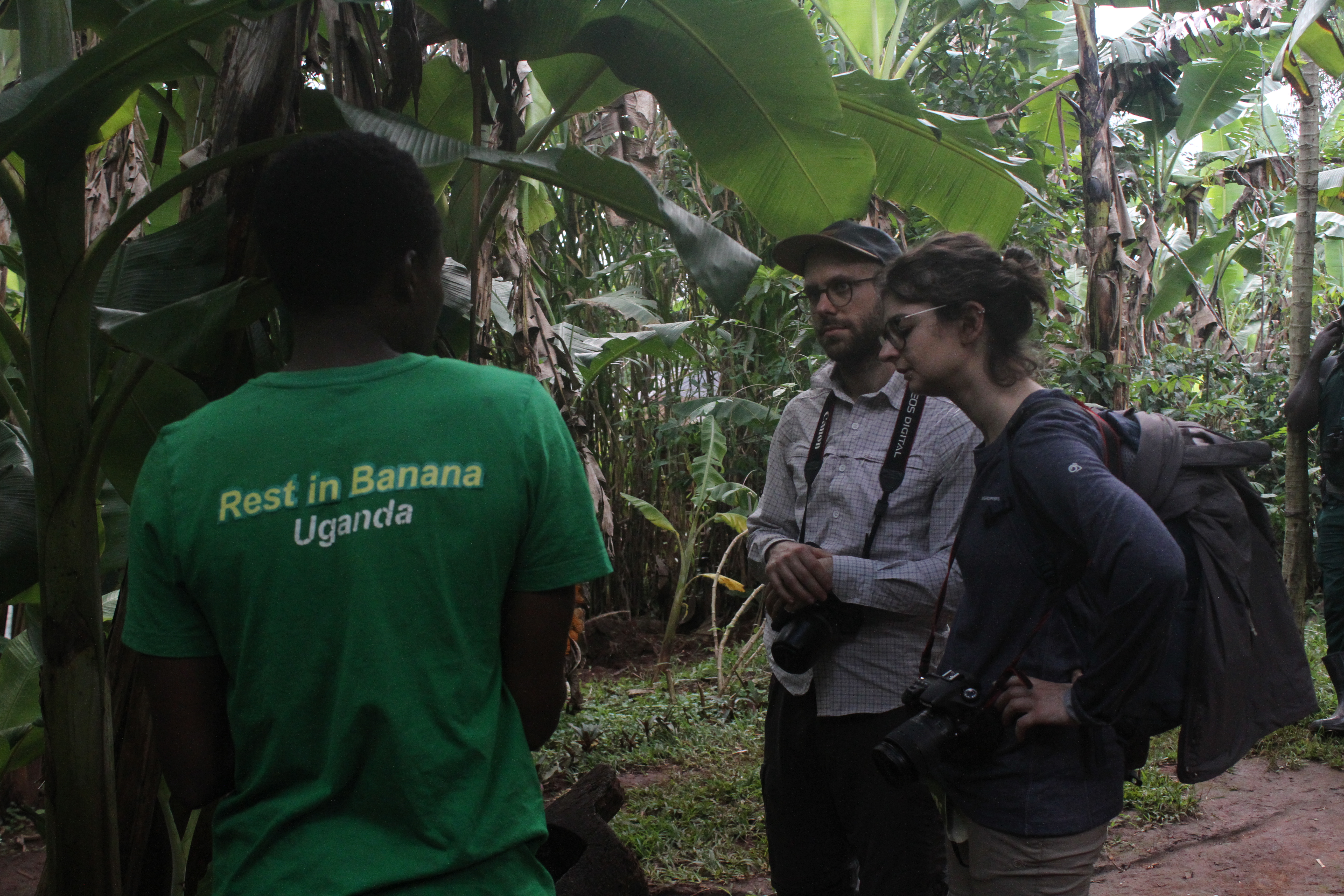
What is "banana" in Luganda?
Amatooke
How do you say "water" in Luganda?
Amaazi
What are common Luganda words that travellers can easily speak while in Uganda?
- Siiba bulungi, meaning Have a nice day
- Sula bulungi, meaning Good night
- Weeraba, meaning Good bye (to one person)
- Mweeraba, ,meaning Good bye (to more than one person)
- Tukusanyukide, meaning You are welcome (to one person)
- Tubasanyukide, meaning You are welcome (to more than one person)
- Tunaalabagana, meaning See you later
- Mwattu, meaning Please
- Weebale, meaning Thank you
- Weebale nyo, meaning Thank you so much
- Mwatu yingira, meaning Please come in
- Owange, meaning Excuse me (when you intend to get someone’s attention)
- Mwattu tuula wansi, meaning Please sit down
- Wangi, meaning Yes, please
- Wangi or Ogambye ki? Meaning What did you say / pardon me.
- Nsonyiwa, meaning Apologies or I am sorry.
- Kale, meaning Ok
- Nedda, meaning, No thanks
- Simanyi, meaning I do not know
- Sawa mmekka? Meaning What time is it?
- Sente mmekka? Meaning How much money
- Sirina Sente, meaning I do not have any money.
- Nze, meaning I am / My name is
- Nyabo, meaning Madam / Mrs.
- Sebo, meaning sir
- Ndi munyiivu, meaning I am angry
- Mpulila empewo, meaning I feel cold
- Enyunta enuma, meaning I feel thirsty
- Ndi mukkufu, meaning I feel satisfied / I am full
- Ndi Musanyufu, meaning I am happy
- Mpulila Ebbugumu, meaning I feel hot
- Enjara enuma, meaning, I feel hungry
- Ndi munakuwavu, meaning I feel sad
- Mpulila Ntidde, Meaning I am afraid / scared
- Ndi Mulwade, meaning I am sick
- Ndi Mukoowu, meaning I am tired
- Omanyi Olungereza? Meaning Do you speak English?
- Weewawo, meaning Yes, I do
- Nedda meaning No I do not
- Wano waliwo amanyi olungereza? Meaning Does anyone here speak English?
- Ontegeera? Meaning Do you understand me?
- Ntegeera, meaning I understand
- Sitegeera, meaning I do not understand
- Njagala, meaning I like
- Saagala, meaning I do not like
- Mbade nsaaba, meaning I am requesting
- Nsaba Okundagilila, meaning I request you to direct me
What does Uglish mean?
Uglish comes from two words that is “Ug” – which stands for Uganda or Ugandan and “lish” which stands for English. Uglish in other words is the Ugandan English. Like any other versions of English such as the American English, the Australian English, the American English and the British English, Uglish takes its shape from joining the words of natives an combining them with Ugandan words. If you are not aware of the language, you may get lost in communication. The language is common on social media. However, this should not scare you, because all you need is being open to learning new jargons and terminologies. The other tip of mastering the Uglish is not being too sensitive or emotional in case you feel like you are out of the conversation. Feel free to ask so that you can be brought back on track in the language that you understand easily.
Below are some common examples of Uglish that you may hear in Uganda:
Extend: This means to “make way” or “make room.” If you are standing in the way of a Ugandan, they may politely say, “Extend.” They are requesting that you move out of the way.
Dirten: This is used as in “to make something dirty.” Example: “Don’t dirten the floor with your muddy shoes.”
Special or special hire: This word or phrase describes a taxi transporting an individual, as opposed to a bus or van carrying several people.
Bodaboda: This is a motorbike.
Pop: A word that means “to come” or “bring.” Examples: “Pop to my house,” or “Pop me that bucket here.”
Taking a beverage: This simply means drinking a beverage.
Balance Please: Instead of asking for the change back, a Ugandan asks for the “balance.”
I need to make a short-call: You may think this means to make a phone call, but in Uganda, it means “I need to go to the bathroom” (toilet, washroom, etc.).
Now-now: This is urgent, meaning it can’t wait until later.
Slowly-slowly: Be patient.
Eating Money: This phrase is used in reference to someone either stealing money through corruption or spending it lavishly.
Eating at the table: A phrase used to describe someone who abuses their position of power or steals from office funds.
Are we together?: Do you understand what I am saying?
Where is home?: Where do you stay? Where do you live?
Putting on: This doesn’t mean someone is presently putting on clothes, but that they are already dressed. “She is putting on a fancy dress” translates to “She is wearing a fancy dress.”
How do I maintain good communication in Uganda?
While on your trip to the Pearl of Africa – Uganda, it is important to know that you are in a home of diverse people with diverse cultures. However, there some things that you do in communication that cut across all the tribes. For instance you should put the following into consideration;
- Be welcoming; Ugandans will welcome a welcoming person, however, maintain a balance while doing so. Do not overdo it since it might be perceived differently by some individuals.
- Listen carefully while communicating; this will allow you have a smooth interaction with others and you stand high chances of being understood because listening indicates interest in the conversation.
- Respect boundaries; Like any other human beings, Uganda locals deserve respect especially in social areas such as bars and markets. Failure to do this might provoke misconduct or crossing lines.
- Ensure politeness while communicating
- In case of any mistakes from the other party during communication, play it cool and do not be easily emotional.
- Mind about body language; Different communities attach different meaning to different gestures. It is better to ask your guide on some of annoying gestures before interacting with some people in Uganda.
- Mind about the dress code; similarly different communities in Uganda hate some kinds of dress codes especially the unlearned / uneducated societies have not been so much exposed to different cultures. For example among the western tribes, women are not expected to wear shorts and pants in public. This means that interacting with them in such clothes will damage their first impression of you.
- Find easy ways of turning greetings into conversations while interacting with Ugandans
In a nutshell, language barrier is something that can ruin your safari only if you do not make part of your safari planning. To avoid this, learn some phrases and words in any given destination common languages for a better safari experience. Book a language guide for your Uganda Safari here.