Kidepo valley national park
Kidepo valley national park is the third largest national park in Uganda covering a distance of about 1442 square kilometers. Located in the north eastern parts of the country ''Karamoja region''. The park sits in the two valleys that is ''Narus and Kidepo valley''. The word ''Kidep'' comes from a karamajong word which means ''To pick'' as back in the years, The area was a hunting and fruit gathering place for the locals. In the regime of The Late President Iddi Amin, He loved this national park so much and wanted to name it ''Queen Elizabeth 2 National park'' following the Queen Elizabeth national park in the western parts of Uganda. later before, The locals asked with respect to call it ''Kidep valley national park''. But do you imagine how the word later changed to kidepo?
Many people from different places pronounced the word in a wrong way from ''Kidep'' to ''Kidepo'' to the point when the majority called it Kidepo. Kidepo valley national park being ''The true African wilderness'' has its unique features from other national parks.
Isolation; Being in a remote location in the north eastern corner of Uganda a place far from major population centers.
Untamed scenery; The park's rugged mountains, vast savannah plains, and rocky outcrops create a landscape that feels wild and untamed.
Abundant wildlife; The park is home of a variety of wildlife species including elephants, buffaloes, lions, giraffes, zebras and other unique bird species like ostrich and secretary bird. Bird watching is also a perfect spot at kidepo valley national park with over 470 bird species recorded. The park records the highest number of buffaloes in Uganda.
Unique cultural experience; A local traditional culture like no other. cultural dances, local food, pastoral life, traditional homes ''manyatas'' a different cultural experience from other areas.
Activities to do at Kidepo valley national park; There are many activities to do at Kidepo valley national park including; game drives, bird watching, nature walks and cultural experiences .Day game drives at '40USD adults and 20USD children age'' 5 to 15 years'' for foreign non residents, 30USD adults and 10USD for foreign residents, 25USD and 5USD for rest of Africa citizens, 20000UGX and 5000UGX for East Africans.
What to see and do in Kidepo Valley National Park?
Kidepo Valley National Park is located in Kaabong District north-eastern Uganda about 510 km by road from Kampala close to Kenya and South Sudan and forms the farthest extremity of the remote, sparsely populated Karamoja region. Kidepo Valley National Park is famous for its arguably the most diverse fauna of any park in the country and it is rich in predators including lion, leopard, and bat-eared fox.
In this article, you will find the history and background of Kidepo Valley National Park, attractions, activities, and how you can get to Kidepo Valley National Park, where to stay in Kidepo Valley National Park, and also the best time to visit Kidepo Valley National Park.
History of Kidepo National Park
The name "Kidepo" comes from a Dodoth verb "keep" meaning "to pick up." The park was inhabited by Dodoth pastoralists and lk farmers before it was gazette as a game reserve by the British colonial government in 1958. The intention was to protect animals from hunting and prevent further bush clearing for tsetse flies’ control. The game reserve later in 1962 converted into Kidepo Valley National Park. The first chief warden of the national park was Briton called Ian Ross and was replaced in 1972 by a Ugandan named Paul Ssali.
Terrible famine struck the area, especially among the lk, and the calamity is cited in contemporary protected areas management. The lK community was close to extinction until they got their first member of parliament in the history of Uganda in the last concluded February 18th elections.
Attractions in Kidepo Valley National Park
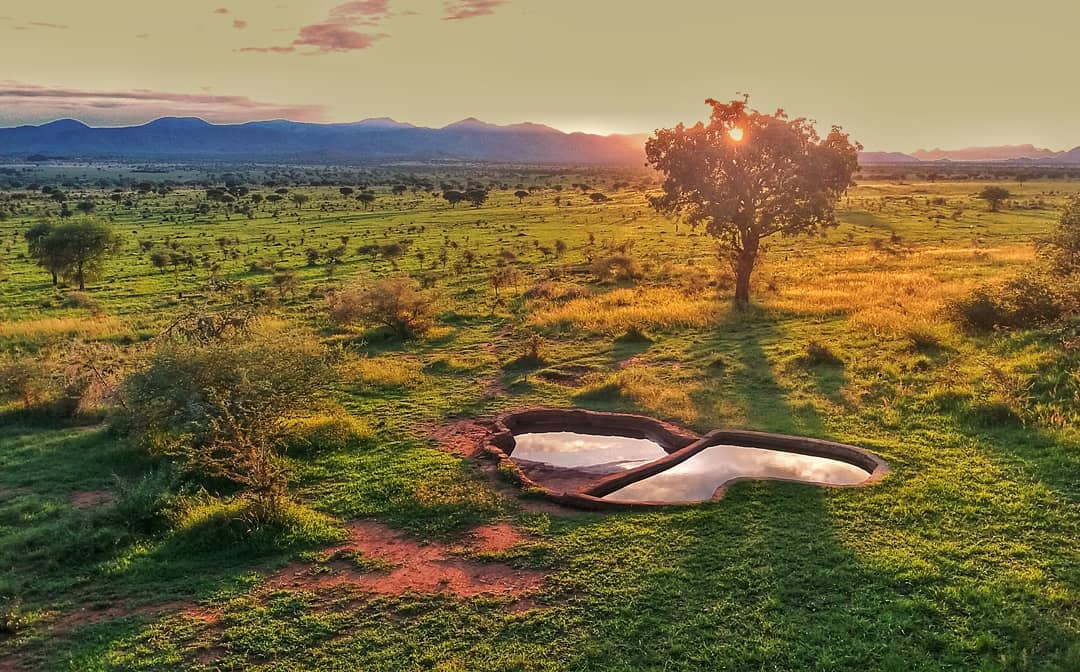
Kidepo valley
Kidepo Valley is an important birding safari area in Uganda with close to 450 bird species and a dream Uganda tour destination for bird watching. The park derives its name from Kidepo Valley and it is famous for scenic Borassus palm trees that are scattered all through the valley. In Kidepo Valley, there is a seasonal Kidepo Valley river that flows north to south where the Narus River supplements it before pouring into the White Nile. During the rainy season, the valley floods, and the Kidepo River is a threatening giant that only the stone-hearted creature can dare cross.
The vegetation is lush and there is a vibrant mammal presence in all corners, wildlife species congregate in Kidepo Valley and there is the possibility of spotting any of the game that resides in Kidepo Valley National Park. In the dry season, vegetation in Kidepo Valley withers bare white dunes. Most wildlife species, in the desert of Kidepo Valley to Narus Valley search for resources to survive on. This is the best time for you to do a nature walk safari to explore the wilderness to discover and hold the beauty of Uganda in Kidepo Valley National Park.
Karamoja
The Karamoja region consists of seven districts in northern Uganda that is kaabong, Kotido, Abim, Moroto, Napak, Amudat and Nakapiripit. Karamoja is populated by Karamojong, there is a society whose outward appearance resembles that of Masai pastoralists who move with their cattle around a tough landscape in search of grazing areas.
This region is dry and, windy with a very high scarcity of water and pasture for grazing their animals with open stunning landscapes of towering mountains, especially in Moroto, and many weathering features like Isleburgs.
The Karamojong have distinctive beauty ideals such as scarification on the body and faces, usage of colorful beads, iconic blankets, and their traditional dances great similarities to the renowned Masai in Kenya.
Narus valley
Narus is the local Karimajong language meaning "muddy ground." Karamoja is a semi-arid region with high temperatures, low rainfall, and semi-arid vegetation that gets bare ground after prolonged drought. The soil texture in the valley is soggy and holds water for longer periods after the rainy season creating temporary swamps, bushes, and oases. Narus Valley starts from Mount Morungole northeast of Apoka traversing the Kidepo Valley National Park plains onto South Sudan in the north. Bird watching in Kidepo Valley National Park wander in the beautiful savannas of the valley with unique bird species. The terrain is generally flat with gentle rolling hills that make it less tiring to walk into the wilderness. These beautiful savannas with short grasses make spotting birds easier.
Visitors that are exploring the Narus valley on bird watching have an opportunity to spot a large collection of birds like carmine, ostrich, secretary bird, Kori bustard, Abyssinian ground hornbill, Karamoja Apalis, little weaver, black-breasted barbet, silver shrike, vivacious bird, Hoopoe Nubian woodpecker, yellow-billed hornbill, scarlet chested sunbird, white-billed go away bird, singing bush lark and more others.
The valley is the most ideal location to spot lions, elephants, kudus, oryx, buffalo, zebras, hyenas, cheetahs, giraffes, waterbucks, bushbucks, reedbucks, warthogs, bush pigs, Uganda kobs, Jackson hartebeest, oribi, the dik-dik. This allows visitors to spot their ideal wildlife species of interest, and remember wildlife in all colors, shapes, and sizes congregate in Narus Valley at any time of the day because it is the permanent oasis in semi-arid conditions of Ki-depo Valley National Park.
Kanangorok hot springs
The Kanangorok hot spring is nestled between hard rock where water boiled underneath the earth's crust seeps through vents and it emerges from the rock outcrops onto the surface. The boiling Kanangorok hot springs reach the earth's surface hitting temperatures beyond 50 degrees Celsius and the water flows at one litre per second.
The Kanangorok hot spring is a true testimony of Uganda as a travel destination that never runs out of surprises and it takes one and half hour's drive northeast of Apoka in Kidepo Valley. Accessing the real site of this hot spring is not an easy undertaking but worth the challenges. To the adventurers traveling to Uganda not very knowledgeable about geography and geology, the Kanangorok hot spring remains a mystery.
The travelers with a strong belief in African tradition and indigenous communities, cultural theory attempts to give its version of how Kanangorok hot springs came into existence. Many African traditions assume strange things like infertility epidemics, droughts, calamities, sudden death, and others happen because the spirits of ancestors have been annoyed. The Kanangorok hot springs were formed out of ritualism
Long time ago, drought hit the Karamoja region and territories beyond the current South Sudan, the traditional king sent the youth, Longorok to fetch water in a traditional ground from the south, possibly Kidepo Valley. On the way back with water in the ground in gourd, heavy clouds of rain formed and it started raining heavily. Longorok had reached the exact spot of the hot spring when a very bright lightning blinded his eyes and he fell, water in the ground poured and Longorok suddenly died. The locals believe that the water in the ground mixed with blood flowing from the body of Longorok and the hot spring formed in an instant. Kanangorok is a combination of Longorok and the incidence of hot spring formation.
Lomej hills
The Lomej Hills are located near Kidepo Valley National Park and it takes a short drive from the park headquarters to Lomej Hills. These hills are the perfect spot for bird watching and animal viewing like the mountain reedbuck and you can also view other species like common elands, bush pigs, greater kudu, defassa waterbucks, giraffes, hartebeests, oribis, cape buffalos, zebras, among others and some bird species like the ostrich, pygmy falcon, Kori bustard, and more others.
Mount Morungole
Mount Morungole is located northeast of Apoka and covers large parts of the southern boundaries of Kidepo Valley National Park. The mountain range is not all that tall by any standards compared to other Ugandan mountains, but the fact is that it rises from the Karamoja plains which makes it an outstanding force to reckon with. Mount Morungole is at a high altitude from the rest of the Karamoja region which makes it a big factor in influencing the climatic conditions and range system in the Kidepo Valley National Park. This mountain is the source of the Kidepo and Narus rivers, in the rainy season they run off the collection from different streams in the mountain ranges feed into and flood the valleys.
Travelers in Kidepo Valley National Park recognize the iconic presence of Mount Morungole in an instant because it is always a point of reference. If you are new to traveling on Mount Morungole gives an impression of a laid-back setting where life seems natural in its original form. The montane forest covers curiously opposite of the semi-arid climate conditions in the rest of Kidepo Valley National Park during the dry season. The montane vegetation itself has a cooling effect and provides cover for wildlife species.
Many hills
Many Hills are located in the northeastern region of Uganda part of the vast of Kidepo valley national park. Many Hills in Kidepo Valley National Park is a must-visit destination for nature and adventure seekers in Uganda. These hills offer breathtaking panoramic views of the surrounding landscapes and are known for their rich biodiversity. To reach Matany Hills, you can drive from a major city in Uganda and the journey takes several hours but the awe-inspiring vistas along the way make it a worthwhile experience. Many Hills in Kidepo Valley National Park is a hidden gem that offers an exciting blend of natural beauty, wildlife encounters, and cultural experiences. This experience will leave you with remarkable and unforgettable memories and a deep appreciation of Uganda.
Apoka wildlife reserve
Apoka Wildlife Reserve is located within Kidepo Valley National Park in Uganda for wildlife enthusiasts and nature lovers. This remote wilderness offers an unforgettable safari experience amidst breathtaking landscapes and abundant wildlife. Visitors to Apoka Wildlife Reserve can expect to encounter iconic African animals such as zebras, giraffes, leopards, lions, elephants, and antelope species, exploring this area through a guided game drive allows visitors to witness for themselves.
There are accommodation options within Apoka Wildlife Reserve ranging from luxury to budget-friendly campsites, ensuring the comfortability of the visitors. These establishments offer comfortable amenities, delicious cuisine, and stunning views of landscapes. Apoka Wildlife in Kidepo Valley National Park attracts nature lovers and wildlife lovers from all over the world with its diverse wildlife, stunning landscape, cultural experience, and comfortable accommodations.
Lonyili mountain
Lonyili Mountain is situated near Kidepo Valley National Park in northeastern Uganda, the mountain borders South Sudan and Kitgum the magnificent mountain is largely covered by montane forest making it habitant to a good number of primates like red-tailed monkeys, white colobus monkeys, and black colobus monkey. It also harbors different bird species and great ideal for nature walks and mountain hiking with striking views of the montane forest canopy and an overview of Kidepo Valley and South Sudan at a far distance.
Activities in Kidepo Valley National Park
Game drive
Game driving is one of the top activities in Kidepo Valley National Park where visitors will be able to explore animals in the savannah in comfortable vehicles with a professional driver guide. Game drives in Kidepo Valley National Park are done in two sessions that are morning game drive and evening game drive where you will be able to view animals when they are more active. Game drives in Kidepo Valley National Park are done in two sections that are ki-depo Valley and Narus Valley and you will be able to view different animals including zebras, buffaloes, bushbucks, giraffes, kobs, Jackson’s hartebeest, reedbuck, oribi, leopards, hyenas, cheetahs, lions among others depending on the luck of the day.
Bird watching
Kidepo Valley National Park is home to over 480 bird species including species from the Somali Masai biome, savannah birds, forest birds, and migratory birds among others. Bird watching in Kidepo Valley National Park is best done in areas like Apoka rest camp, around the fringes of Narus and Namukweny Valley where you will be able to spot and see different species of birds like Karamoja Apalis, Jackson’s hornbill, fox kestrel, ostrich, pygmy falcon, red-billed oxpecker.
Community tour walks
Community tour walk is an interesting activity in Kidepo Valley National Park where you will be able to interact with local people in the neighboring communities. During this activity, you will be able to visit Lorukul village where you will interact with Karamojong people and learn about their culture, tradition, lifestyle, and way of living, also visit the museum where they sell handmade souvenirs like stools, bows, and arrows, knives, beads, bags, jewel, sandals, art printings and enjoying their traditional songs and dances which will amaze you with a lot of joy by joining them in their traditional dance will feel you with laughter and make you always to remember Kidepo. The Karamojong region is designed with unique house structures called Manyattas which are households of the Karamojong people of north-eastern Uganda. The architecture of these houses looks so beautiful and is made up of artificial grass fences that divide the main compounds that can have over 10 families depending on the number of sons in the family.
The best time to visit Kidepo Valley National Park
Kidepo Valley National Park can be visited throughout the year though the best time is during the dry season in July, August, and September to March because during this period there is less rainfall in the park and short vegetation which helps you to have a clear view of different species of animals.
Where can I stay in Kidepo Valley National Park?
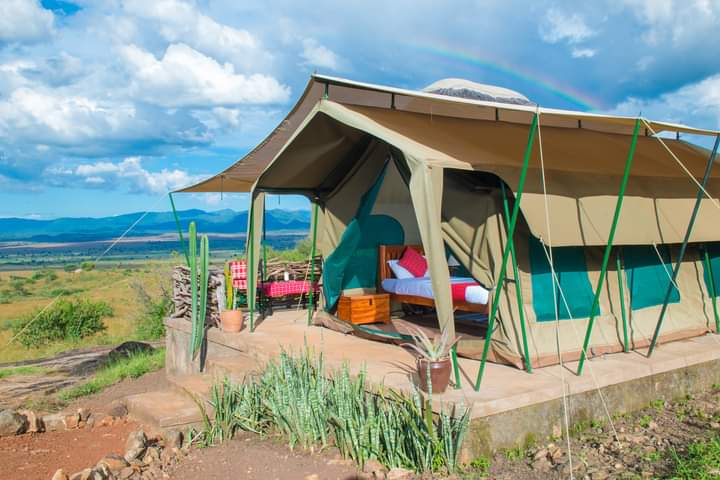
Kidepo Valley National Park has various accommodation facilities ranging from budget, midrange, and luxury where you can stay during safari including Apoka safari lodges, Adere safari lodges, Apoka rest camp, Kidepo Savannah Lodge, and more.
How can I get to Kidepo Valley National Park?
By road
driving from Kampala to Kidepo Valley National Park is about 10 hours though some people prefer to spend one full day drive while others prefer to break the trip into two days with stopovers.
By air
The flight from Entebbe to Kidepo Valley National Park is approximately one and a half hours. It is necessary to coordinate your flight arrival with your hotel so that someone can pick you up and have a vehicle reserved for your game drives during your stay.