The primate capital of the world - Kibale National Park
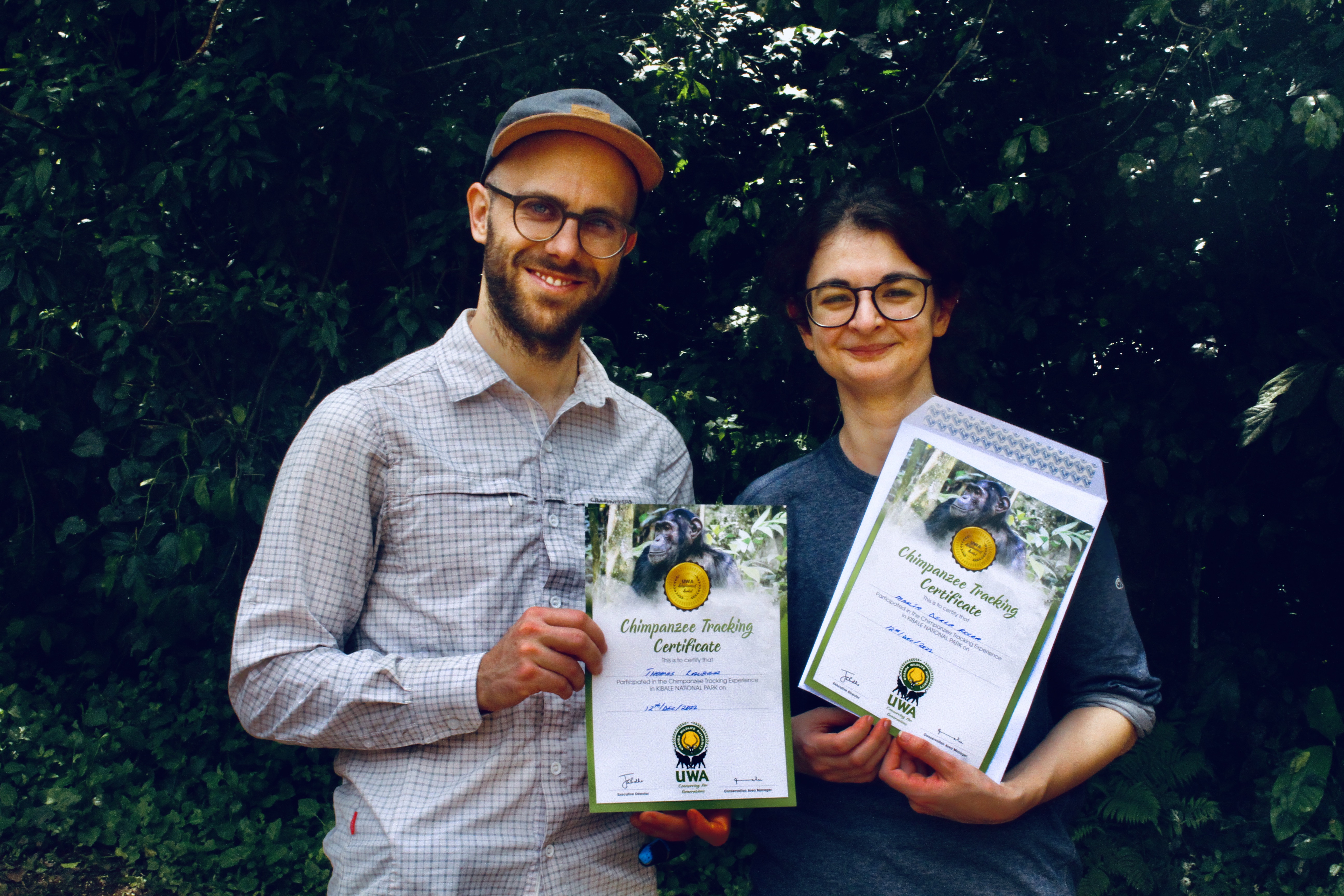
Kibale National Park is located in the western part of Uganda in the districts of Kabarole, Kamwenje, Kyenjojo and Kasese. The park was first gazette in 1932 by the British as a logged forest area protecting its nature authenticity. The British also used the forest for hardwood extraction and also collected wild coffee from then forest. In 1993 it was gazetted officially as Kibale National Park from the Kibale forest reserve. The park is about 315 kilometers from the capital Kampala - Mubende -Fort Portal route. Kibale National Park is 321 kilometers wide with an altitude of 1160-2607 meters. Kibale National Park has over 67% of Uganda’s fauna with different ecosystems. These range from wildlife habitats, wet tropical forests and dry or semi moist tropical forest along the Fort Portal plateau, and the savannah woodland along the rift valley floor.
Major tourist attraction in Kibale Forest national park
Kibale National Park is famous and popular for its large population of chimpanzees. Kibale National Park is considered one of the best destinations to track wild chimpanzees on earth. The Kibale chimpanzee population gush of about 1500 individuals of chimpanzees which are divided into dozens of families. The park gives tourists an amazing opportunity to view these endangered primates up close. The Kibale chimpanzees are the second most popular and visited primates in Uganda after the gorillas of Bwindi Impenetrable national park.
Other tourist attractions in Kibale national park (What to see)
Wildlife and bird species
Kibale National Park is a natural haven to 120 mammals and 13 species of primates. Kibale forest and Bigodi swamp are some of the reasons for the large number of bird species in the park. Majority of the birds are migratory and have been spotted and recorded in the park between November and April. Some of the bird species in the park include; African pied wagtail, Great blue turaco, Pin-tailed whydah, Slender-billed weaver, African pitta, Purple-breasted sunbird, Afep pigeon, Blue-breasted kingfisher, Abyssinian ground thrush, Nahan's partridge, Little greenbul, Western nicator, White-naped pigeon, Lowland masked apalis, Black-capped apalis, Blue-headed sunbird, Yellow-rumped tinkerbird, Blue-headed bee-eater, Papyrus gonolek, Great blue turaco, Tropical boubou, African green pigeon, Blue-throated roller, Cinnamon-chested bee-eater, Ross's turaco.
Bigodi wetland sanctuary
The Bigodi Wetland Sanctuary is located on the outskirts of Kibale National Park - 6 kilometres south of Kanyanchu. It was established to protect the 4 square kilometer Magombe swamp. It is a project of the Kibale Association for Rural and Environmental Development (KAFRED). This association is meant to maintain the swamp area in order to extend the benefits of tourism to the surrounding communities. The name Bigodi was derived from the Rutoro word “Kugodya” which literally means walking in a sluggish tiredly way. This swamp happened to win an award from the UNESCO Wetlands Sustainable Tourism Projects as the best community sustainable Tourism project.
Bigodi Wetland Sanctuary inhabits over 200 bird species and this makes it a birding paradise for birders. Some bird species found here in Bigodi include the Papyrus Gonolek, Kingfishers, Waxbills, Cuckoos, Weavers, Hornbills and many others. The great blue turaco is the main bird species found here in Bigodi wetland. Bigodi wetland is also visited frequently by some mammals such as semi-aquatic Sitatunga Antelopes, Bush Bucks, Otters, Bush Pigs and the Mongooses. There are some primate species in Bugobi Wetland as well. Some of these primate species include Red Colobus, Blue Monkeys, Gray Cheeked Mangabey, L’Hoest Monkeys, Black and White Colobus, Red Colobus Monkeys, Vervet Monkeys, Baboons and some chimpanzees can as well be spotted.
Crater lakes
The crater lakes in Kibale National Park were as a result of vulcanicity many millions of years ago.Vulcanicity is when magma forces its way into vent of the earth's crust to escape explosively to the surface. This process forms a deep hole on the surface and when filled with water it becomes a crater lake.
Lake Nyabikere is the most popular crater lake in Kibale National Park and it is about 11 kilometers from Fort Portal town. Lake Nyabikere is translated as the lake of frogs in the local language because of the huge numbers of frogs in the area. This ranks among the most visited crater lakes by most visitors on Uganda tours and safaris in Kibale Forest.
Lake Nkuruba is another crater lake to visit in Kibale national park. Lake Nkuruba crater is approximately 25 kilometers south of Fort Portal town. Lake Nkuruba provides magnificent scenes for hiking and walking safaris in Kibale National Park. Lake Nkuruba is surrounded by a dense tropical forest that is a nature reserve to the neighboring community. It offers the best place to photograph colobus monkeys. It also offers a splendid place for camping in a peaceful and calm surrounding. The dense tropical forest also harbours some other four species of monkeys including vervet monkeys, red tailed monkeys, black & white colobus and the endangered Uganda red colobus. Lake Nkuruba is an access point to the Mahoma falls and other number of explosion craters.
Other crater lakes in Kibale National Park include lake Kyaninga, lake Lyantonde and lake Nyinambuga
Impressive green vegetation
Kibale National Park has an impressive green vegetation that ranges from the moist evergreen forest (wet tropical forest) along the Fort Portal plateau, then through the dry tropical forest (moist semi deciduous). And then to the woodland and savanna grassland down along the Rift Valley floor. Kibale National Park is mainly a rainforest with altitude ranges of about 1100-1590m and over 381 tree species recorded. It has Afromontane and western lowland forest that support a very dense tangle of lianas and epiphytes.
The rain forest contains a mixture of evergreen deciduous trees especially around Kanyanchu. The vegetation rises to over 55m and establishes a semi-closed canopy of massive stratified tree crowns.The park has a very thick undergrowth with wild Robusta coffee growing there.
Unique culture
The unique cultures of the tribes around the park are another important tourist attraction in Kibale National Park. The Batooro and Bakiga have a unique interesting way of living from the food they eat to their unique dress codes and cultures. The Batooro often give their visitors cultural names known locally as “empako” and they also name their newborn children a pet name. The Bakiga however, welcome their visitors with a traditional dance known locally as “ekitaguriro” and a locally brewed beer called “enturiire.”
Tourists will have an opportunity to interact with these indigenous people and get a chance to learn more about their interesting cultures.
Major tourist activity in Kibale National Park
Chimpanzee trekking and Chimpanzee habituation
Chimpanzee trekking is the major activity in Kibale National Park. It involves walking through the rain forests looking for chimpanzees for about 2-5 hours. This duration depends on the location of the primates and on finding them. After their location, visitors are limited to only one hour in the presence of these endangered primates. Chimpanzee trekking starts very early in the morning beginning with the tour guides giving tourists the guidelines and rules. While trekking, you can be able to view other primate species and wildlife like the red-tailed monkeys, black and white colobus monkeys, a variety of bird species among others.
On the other hand, Chimpanzee habituation is the process of slowly introducing chimpanzees to humans so that they become more comfortable with their presence. The chimpanzee habituation offers tourists a chance to spend a half-day or full-day in the presence of the chimpanzees in Kibale national Park. This habituation process also gives the rangers a chance to learn more about the chimpanzee's behaviour in relation with humans. Book yourself a Chimpanzee habituation safari to Kibale National Park Now and get an extraordinary safari experience.
The habituation process is a full-day experience that starts from around 6am to 7pm. It starts when the chimpanzees first get up, and lasts until when they build nests and settle down for the night. It is a onetime experience of seeing them carry out their day-to-day activities such as feeding, hunting, patrolling their area, resting, and caring for the young ones.
Other tourist activities in Kibale National Park (What to do)
Nocturnal forest walk
Nocturnal forest walk is an exciting activity of trekking in Kibale National Park at night. It is an interesting activity where visitors will be able to explore the park at night with spotlight torches and experienced rangers and guides. This safari activity in Kibale starts at around 7:30 pm with a briefing about the rules, regulations and expectations at Kanyachu visitors centre. Thereafter you will be allocated an experienced park guide and an armed park ranger. Trekking will then start and it takes about 1 to 2 hours to walk in the park. During the walk, you will be able to spot nocturnal animals such as bush babies, pottos, crickets, serval cats, civet, tree hyrax, giant forest hogs, nocturnal birds like night jar, owls among others.
Bird watching or birding in Kibale National park
Birding is a guided forest walk for an opportunity to spot a variety of bird species. Birding is the second main activity in the park after chimpanzee tracking. Birding in Kibale National Park is best done on a professionally guided forest walk with tourists for an opportunity to view birds. Kibale National Park inhabits over 350 bird species and some species are only found in this park and not elsewhere in Uganda. Kibale forest and Bigodi swamp are some of the reasons for the large number of bird species in the park. The developed trails in Kibale National Park make it easy for birders to move in the forest while looking for birds.
Bigodi Wetland Sanctuary is the best place for birding because of the abundant food and water for the birds throughout the year. It is a community project where trained and experienced local guides take birders on a four-hour walking trail looking for bird species. Birding in Kibale National Park is best done from March to May and also from September to November when the fruits and food are abundant in the forest because of the wet season. It is the best time for birds to come out and feed thus an opportunity for tourist to spot them. Birdwatching starts as early as 7am in the morning. Take on a Uganda Birding Safari for an extraordinary birding experience in Kibale National Park.
Culture encounters
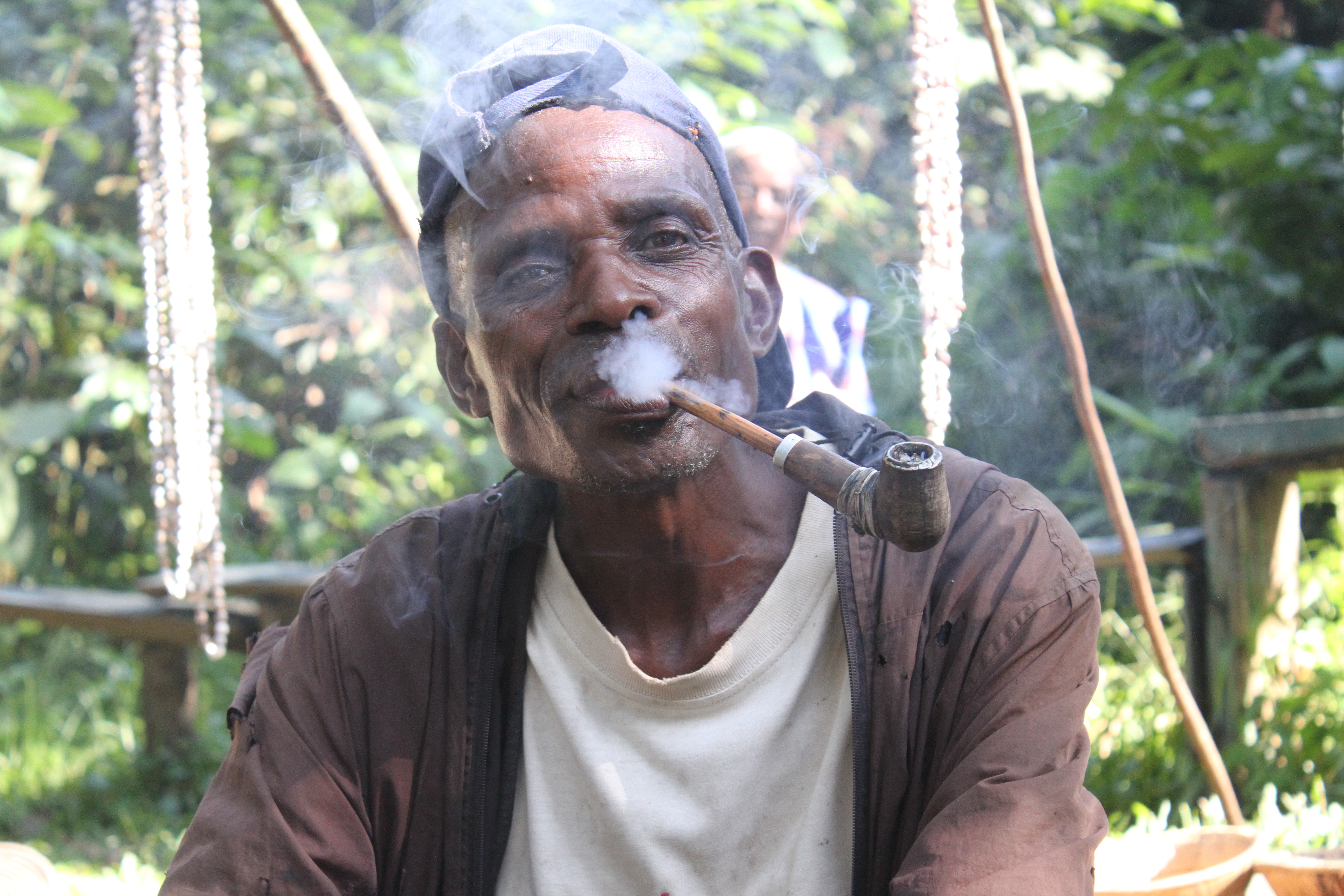
Kibale National Park is surrounded by two indigenous tribes that is the Batoro and Bakiga immigrants. The Batooro and Bakiga are two different diverse cultures with different ways, beliefs, and other cultural aspects. The Batooro are the majority because they are believed to be the indigenous tribe of the area. The Bakiga people are believed to have just migrated to the area in the 1950s. These people depend on the national park for their livelihood and survival. For instance, they fetch water for domestic use, collect firewood, herbs for local medicine, weaving material for art and craft industry among others.
Travellers that take on a cultural tour safari to Kibale National Park immerse themselves into the life of the locals. You will be able to engage with the locals of the community and learn their ways of life in their cultural context like ceremonies, customs and norms. This is an opportunity for you to learn the true African culture. Participate in the brewing of local beer, dancing and weaving.
Nature walks and hikes
Nature walks and hikes are another amazing activity to look out for on a visit to Kibale National Park. These walks often take a day or a half a day depending on your tour package.These nature walks and hiking in Kibale National Park start from either Kanyanchu or Sebitoli. Tourists journey over the villages around the park such as Kikoni, Nyakalongo and Nyaibanda where they get a chance to interact with the Bakiga and Batooro people of the area. From these villages porters can be hired to help the tourists carry their luggage and make their nature walks easier.
What is the Best time to visit Kibale National park?
The park is ever open for game viewing all year round. However, the best time to visit is in June to September and December to February. During this time the climate is humid and sunny which makes it the best time for activities like birding and bird watching. The dry season offers an opportunity to tourists to carry out activities like chimpanzee trekking, nature walks and hiking among others.
March to May and from October to November is usually the wet season and often brings challenges especially during activities like hiking, chimpanzee trekking, birding among others. This is because the trails in the park are muddy, wet and usually slippery thus making navigation difficult. However, the wet season can also be the best to spot some specific bird species and animals that are active in this season. It should also be noted that for budget travellers, the wet season is the best time to visit Kibale National Park. This is the period when travellers are minimal and prices especially for accommodation tend to go low.
Having said that, the best time of the year to visit kibale national park depends on quite a number of factors. These range from game viewing, your travel budget, to mention but a few. It is therefore important to talk to a professional tour operator and plan accordingly.
How do I access Kibale National Park?
Kibale National Park is located in the western region of Uganda and approximately 315 kilometers from the capital Kampala. It can be accessed using two routes that is the Mubenda – Fort portal route which is the shortest when coming from Kampala. The second route is about 420 kilometers from Kampala to the park. This route goes through Masaka, Mbarara, Ibanda then Fort portal and Kabarole to the park.
Kibale National Park can be accessed from nearest safari destinations including Queen Elizabeth National Park, Bwindi Impenetrable national park and Lake Bunyonyi. Travellers to Queen Elizabeth National Park can easily fly from Entebbe to Mweya and then drive to Kibale National Park.
Where to stay in Kibale National park?
Accommodations in Kibale National Park ranges from budget, midrange and luxury safari lodges, hotels and campsites depending what you prefer. Luxury facilities include Crater safari lodge, Tracker safari lodge, Kyaninga lodge and the rest. Midrange facilities include Isunga lodge, Kibale forest camp lodge, Chimpanzee forest guest house, Kibale guest cottages, Chimp nest and many others. Budget accommodation facilities include Lake Lyantonde eco campsite, Lake Nyamirima cottages, Green home cottages and campsite among others. Accommodation facilities in the park offer spectacular scenic views of wildlife, nature and different physical features like mountain Rwenzori and Kibale forest. Some of the accommodation facilities are located inside Kibale forest like campsites and the others along with the perimeter of Kibale National Park. There are also a number of hotels around the park in the surrounding town like Fort portal.
In conclusion, Kibale national park has different ecosystems that range from evergreen tropical forests, swamps, woodland among others that harbour different animal species. These species are distributed in wide range of sectors in the park which offer opportunities for different activities. The major activity in the park is chimpanzee trekking and chimpanzee habituation which is best done in dry season and during morning hours. This is due to the fact that in the dry season the tracks are dry and the vegetation is not that thick. Kibale has the largest chimpanzee population in Uganda and East Africa with over 1500 individuals making it “the primate capital of the world.”
Now that you are everywhere you wanted to be about knowing what to see and do in Kibale National park, let us organise your trip and turn your moments into memories.