Guided nature walk in Maramagambo Forest - Queen Elizabeth National Park

Guided nature walk in Maramagambo Forest - Queen Elizabeth National Park

Discovering the best guided nature walk trails and the history of Maramagambo Forest is such an ultimate Uganda walking and birding experience. Tracing the name from a traditional tale about two brothers who got lost in the forest and could not say a word on their return, Maramagambo forest is one of the prime safari destinations found in Queen Elizabeth National Park. When the two brothers had become numb, a concept that means lack of words “kubura ebigambo” in the local language, thus the forest was named “Maramagambo.”

Maramagambo is located in the Bushenyi district and is part of the magical Queen Elizabeth National Park in western Uganda. The forest is known for being home to multiple wildlife species ranging from primates to bats, several bird species, and a harbor of several tree species. Some of the common primates in the Maramagambo forest include chimpanzees, Colobus monkeys, red-tailed and blue-tailed monkeys, olive baboons, and bush babies, to mention but a few. Other species that can be spotted in this forest are elephants, the rare Bate’s pygmy antelopes, bush pigs, and pythons.

What to do in the Maramagambo forest

Quite several activities can be done in this magical and traditional forest. Consider adding one of these activities while you plan a trip to Queen Elizabeth National Park.

1. Guided nature walks

    Embarking on a guided nature walk in the Maramagambo forest is such a rewarding safari activity. Following different trails, travelers explore these forests and turn their moments into memories. The walk allows you to explore the forest on foot and thus can take away the safari vehicle fatigue and thus act as a refreshing safari experience. Nature walks will introduce you to multiple primate species, birds, and trees such as the famous frame trees whose leaves are believed to cause sexual arousal in women. This is more than a forest walk but rather a learning opportunity for you to discover the mysteries of the trees, and tales related to different features such as River Kajojo named after elephants, to mention but a few.

    The following trails can be followed during the Maramagambo forest nature walks;

    The forest trail: Somewhat difficult and suitable for physically fit travelers.

    The river trail: connects to River Kajojo which was named after elephants. The trail is about one kilometer and it takes about one hour to walk it.

    The palm trail: is about 5 kilometers in length and takes about two hours to walk. The trail is suitable for all travelers.

    The valley trail: is about three and a half kilometers and it takes about two hours to walk taking you through the valley ridge and many forest features.

    The waterfall trail: this is about 11 kilometers and it takes four to five hours to walk it. The trail takes you to Kilyantama waterfalls from where you can enjoy spectacular views of fig trees used in backcloth making.

    2. Birding

      Are you a bird lover? Maramagambo forest is a prime birding destination as it is home to quite several bird species. Some of these birds are Rift Valley endemics while others are elusive species. A walk in this forest comes with sweet melodies sung by different birds and an opportunity to dive into the life of birds. For instance, you will see how different birds make their nests and how they protect their nests from predators and rain.

      3. Bat watching

        A walk in the Maramagambo forest allows you to see quite several bats. Direct contact with bats is highly prohibited as they can spread diseases to humans. You will enjoy spectacular views of the bats from the established secure viewing platform.
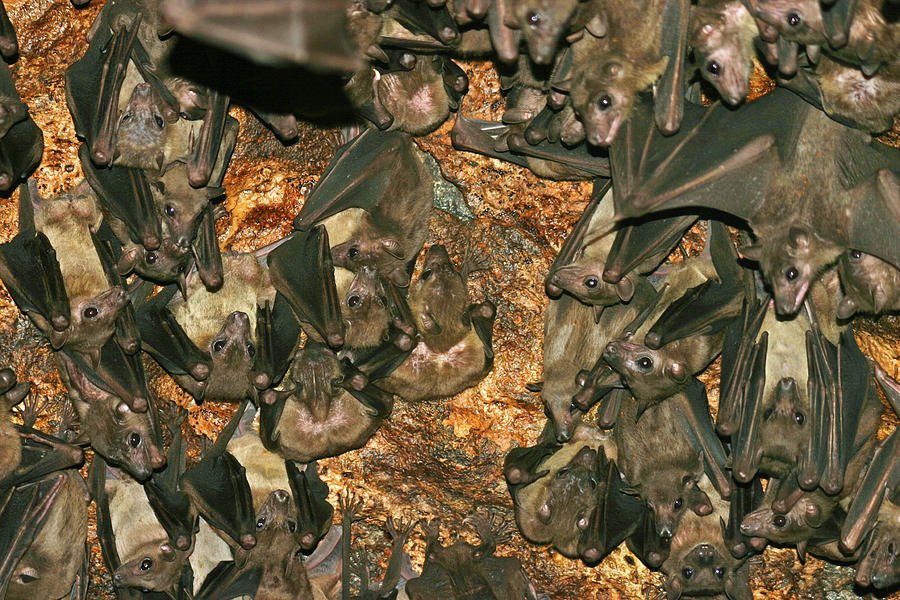
        Guided nature walk in Maramagambo Forest
        Bat watching on a guided nature walk in Maramagambo Forest

        4. Cultural encounters

          A walk in the Maramagambo forest will introduce you to the native cultures within and around the forest. You will learn a lot of history from the Nyanziibiri community and the cave that was used to protect people from calamities and other misfortunes. Dive into the cultures, and learn about their ways of life, food, traditions, leadership, music, and standards of living.

          Note: Chimpanzees in Maramagambo forest are not habituated for tracking but a walk in the forest will allow you to spot one or more. If you are typically interested in chimpanzee tracking in Queen Elizabeth National Park, the best recommendation is Kyambura Gorge.

          What is the best time to visit the Maramagambo forest?

          Like Queen Elizabeth national park, Maramagambo Forest can be visited all year round, however, the best time is the dry season of December to February and June to September. This is the period when the trails are less muddy and the forests are not much thick hence clearer views. For travelers interested in a challenging experience, the wet seasons are the best.

          How to access Maramagambo forest.

          From Entebbe international airport or Kampala City, one can access Maramagambo forest by either road or air transport means.

          By road: travelers can use public transport (buses) from Kampala to Bushenyi and then get a private car to the forest headquarters from where they meet the forest rangers. Alternatively, travelers can use private or safari vehicles and drive the Kampala – Masaka – Mbarara – Bushenyi road and connect to the forest headquarters. The drive takes 6 to 7 hours.

          By air: travelers can fly from Kajansi Airfield to Mweya and then drive to the forest headquarters. The flight takes 1 hour and 10 minutes.

          How much is a guided nature walk in the Maramagambo forest?

          A guided nature walk in the Maramagambo forest goes for $30 for foreign non-residents, $15 for foreign residents, and UGX 10,000/= for members of the East African community.

          Where to stay in Maramagambo Forest?

          Looking for a comfortable accommodation facility while you take on a trip to Maramagambo Forest? Look no further, below is a list of some of the best lodges near Maramagambo Forest;
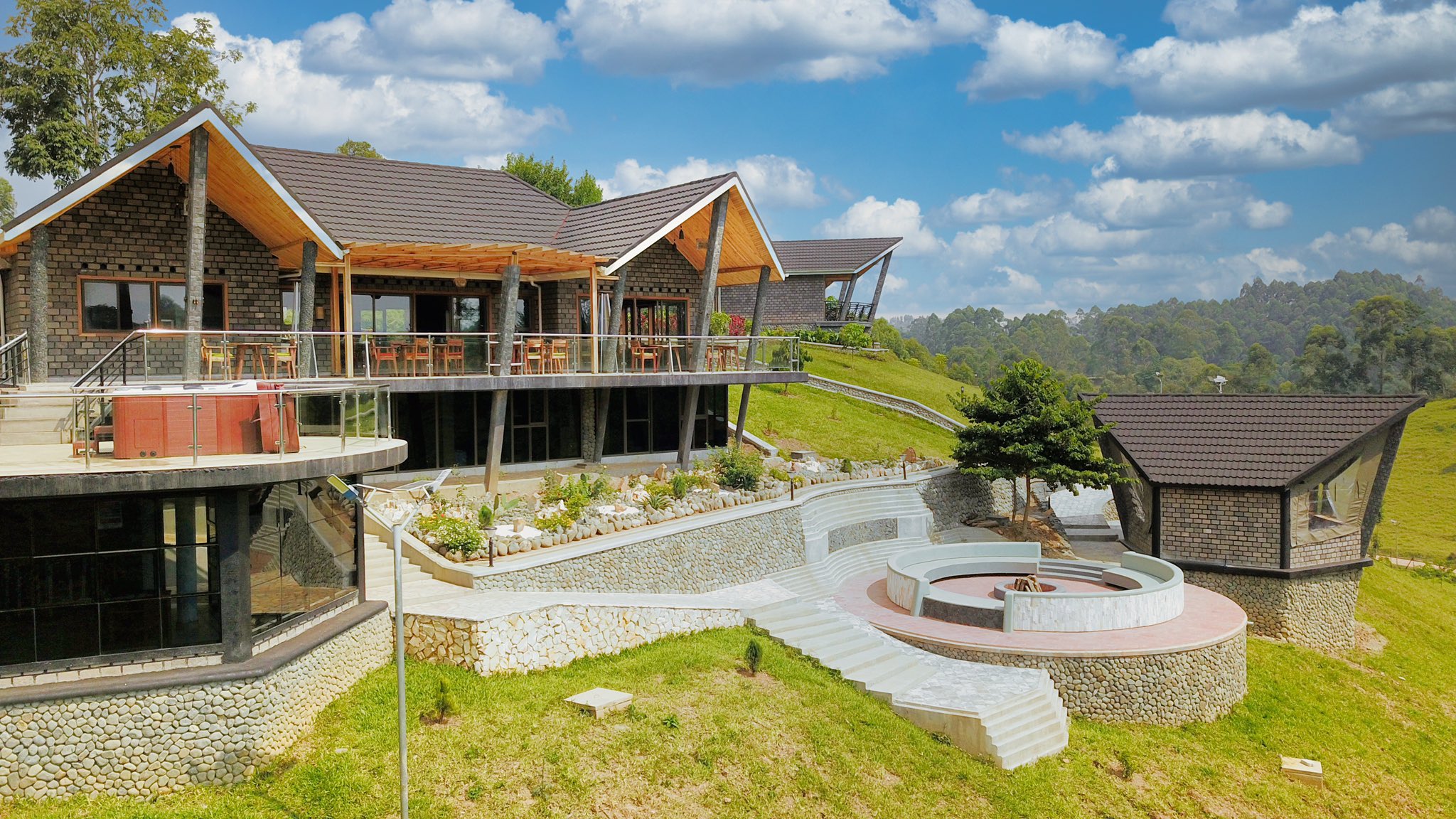
          Guided Nature walk in Maramagambo Forest
          Accommodation on a Maramagambo Guided walk

          Katara Lodge: Located on the Great Rift Valley escarpment of Queen Elizabeth National Park, Katara Lodge is one of the best lodges to stay at as you visit Maramagambo forest. The lodge provides scenic views of Lake Edward, Virunga Mountains and the Rwenzori Mountains. Katara Lodge has a beautiful swimming pool, restaurant, bar and serene cottages for an ultimate experience. Read reviews of Katara Lodge for more insight. 

          Jacana Safari Lodge: Having received many geo-lodge awards from the New York Times, Jacana Safari Lodge is located at the outskirts of Maramagambo Forest. The lodge is serene and allows visitors to enjoy exceptional views of Lake Nyamusingire. The lodge is designed in an African architectural way and reflects a true African wilderness. It has an outdoor swimming pool and comfortable lounges from where travelers enjoy scenic views of the surrounding areas. Book your stay at Jacana Safari Lodge and enjoy an extraordinary guided nature walk in Maramagambo Forest. 

          Rift Valley Game Lodge: One of the most beautiful lodges located in the vast savannah plains of Queen Elizabeth National Park. Rift Valley Game Lodge is an ideal accommodation for travelers taking on a guided nature walk in Maramagambo Forest and other safari activities in Queen Elizabeth National Park. The lodge has several spacious cottages with en-suite bathrooms for a comfortable stay. Lunch is served at restaurant overlooking the vast savannah plains of Queen Elizabeth National Park. A picnic lunch can be organized for luxury travelers, talk to a travel expert at Beyond Travel for a special request on your accommodation in Queen Elizabeth National Park. 

          Enganzi Game Lodge: Located in Queen Elizabeth National Park, Enganzi Lodge is a mid-range safari lodge that is suitable for all kinds of travelers including those taking on a trip to Maramagambo Forest. The lodge has different room categories (single, double and triple) customized to fit your travel needs. Are you a solo traveler, couple or a group? Add Enganzi lodge to your accommodation list for an ultimate Uganda guided nature walk safari experience. 

          In conclusion, taking on a guided nature walk in Maramagambo Forest is such a rewarding Uganda safari and tour experience that should be part of your travel list. The walking safaris in Maramagambo Forest come with scenic safari activities such as bird watching, bat watching, community tours, wildlife viewing, to point out  a few. All these can be complimented with other amazing activities in Queen Elizabeth National Park such as lion tracking in Ishasha Sector, Chimpanzee tracking in Kyambura Gorge, Game drives in the Mweya Peninsular and Boat Safaris on Kazinga Channel. With a comfortable stay at any of the lodges near Maramagambo Forest, your Uganda Safari becomes a moment turned into memory. 

          Recent Articles
        1.  What to Include in a Child-Friendly Akagera Itinerary
        2.  How to Choose a Family Safari Pace That Works
        3.  How to Help Children Respect Local Guides and Park Staff
        4.  Akagera Safari Preparation Early Starts, Water and Wildlife
        5.  How to Keep Children Safe Around Water and Wildlife on Safari
        6.  What to Consider When Booking a Family Boat Excursion
        7.  How to Make an Akagera Safari Accessible for Family Members
        8.  How to Avoid Over-Planning a Family Wildlife Trip
        9.  Family Photography Tips for an Akagera Safari
        10.  How to Choose Akagera Safari Activities That Suit Different Ages
        11.  How to Prepare Children for Bumpy Safari Roads
        12.  What Parents Should Know About Park Rules in Akagera National Park
        13.  How to Talk About Conservation with Young Safari Guests
        14.  How to Balance Adult Interests and Children’s Needs on a Family Safari
        15.  Making a Wildlife Checklist for Children in Akagera National Park
        16.  How to Plan a Multi-Generational Akagera Safari
        17.  How to Pack Snacks and Water for an Akagera National Park Visit
        18.  How to Teach Children to Observe Animals Quietly on Safari
        19.  Questions Families Should Ask Before Booking an Akagera Safari
        20.  What to Do When Children Get Tired During a Game Drive
        21.  How to Plan a Shorter Akagera Safari for Families
        22.  How to Keep Children Comfortable in Warm Safari Weather
        23.  Travelling to Akagera with Babies and Toddlers: Essential Family Safari Tips
        24.  How to Make an Educational Akagera Safari Fun for Kids
        25.  How to Choose the Best Accommodation for an Akagera Family Trip
        26.  What Families Should Know About Boat Safaris on Lake Ihema
        27.  How to Prepare Teenagers for a Conservation-Focused Safari
        28.  How to Set Realistic Wildlife Expectations for Children on Safari
        29.  Wildlife Spotting Games for Kids Visiting Akagera National Park
        30.  Planning Breaks for Children on an Akagera Safari
        31.  Choosing a Family-Friendly Akagera Safari Vehicle A Complete Guide for Families
        32.  How to Explain Safari Safety Rules to Children
        33.  How to Keep Children Engaged During Wildlife Viewing
        34.  What Parents Should Pack for Akagera Game Drives
        35.  How to Plan an Akagera Safari with Young Children
        36.  Is Akagera National Park Suitable for a Family Safari?
        37.  A Practical Photography Checklist for Akagera National Park
        38.  Common Wildlife Photography Mistakes to Avoid in Akagera National Park
        39.  How to Photograph Changing Weather in Akagera National Park
        40.  How to Create a Wildlife Photo Story from an Akagera Visit
        41.  How to Photograph Birds in Flight in Akagera National Park
        42.  How to Share Wildlife Images with Accurate Captions A Complete Guide
        43.  How to Share Wildlife Images with Accurate Captions
        44.  Planning an Akagera Photography Safari How to Organise Your Trip Around the Best Wildlife Shots
        45.  How to Take Better Safari Photos Without Expensive Gear
        46.  What Smartphone Users Can Photograph in Akagera National Park
        47.  How to Keep a Photography Log During an Akagera Safari
        48.  How to Use a Telephoto Lens Safely Around Wildlife
        49.  How to Photograph Small Details in Akagera National Park Ecosystems
        50.  How to Prepare Your Camera Bag for a Full Day in Akagera National Park
        51.  How to Photograph Wildlife Without Using Bait An Ethical Safari Photography Guide
        52.  What Filmmakers Should Ask Before Recording in Akagera National Park
        53.  How to Make a Responsible Akagera Safari Video A Guide to Ethical Wildlife Filming
        54.  How to Avoid Overprocessing Wildlife Photos in Akagera National Park
        55.  How to Photograph Animals in Low Morning Light on Safari
        56.  How to Capture Animal Behaviour Rather Than Just Portraits in Akagera National Park
        57.  Photography Tips for a Lake Ihema Boat Safari in Akagera National Park
        58.  How to Back Up Safari Photos While Travelling A Complete Guide for Wildlife Photographers
        59.  How to Organise Memory Cards for an Akagera Safari
        60.  Using Binoculars and Cameras Together on Safari A Complete Wildlife Viewing and Photography Guide
        61.  How to Photograph Animals Through a Vehicle Window on Safari
        62.  What to Do When Wildlife Is Too Far Away to Photograph on Safari
        63.  How to Improve Composition on an Akagera Game Drive
        64.  How to Photograph Animals Against Busy Backgrounds
        65.  How to Protect Photography Gear from Rain in Akagera National Park
        66.  How to Keep Camera Equipment Dust Free on Safari
        67.  How to Take Better Landscape Photos in Akagera National Park
        68.  Tips for Capturing Lions Without Disturbing Them
        69.  How to Capture Wildlife in Bright Midday Light A Photographer’s Guide
        70.  Akagera Photography Settings to Practise Before Your Visit
        71.  How to Capture Birds During an Akagera Game Drive
        72.  Choosing the Best Lens for Akagera Wildlife and Landscapes
        73.  How to Photograph Animals from a Safari Vehicle
        74.  Camera Gear to Pack for an Akagera Safari
        75.  Beginner’s Guide to Wildlife Photography in Akagera National Park
        76.  A Visitor’s Guide to Conservation in Akagera National Park
        77.  How Research Helps Improve Wildlife Management in African National Parks
        78.  What Conservation Challenges Remain for Akagera National Park?
        79.  How Visitor Behaviour Can Support Park Protection in Akagera National Park
        80.  Akagera’s Conservation Journey Questions Worth Exploring About Rwanda’s Wildlife Revival
        81.  How to Evaluate the Impact of a Conservation Experience
        82.  Why Wildlife Protection Depends on Local Cooperation
        83.  What to Teach Children About Conservation During an Akagera Visit
        84.  What Long-Term Habitat Management Looks Like in Akagera National Park
        85.  How Conservation Tourism Can Encourage Local Stewardship
        86.  The Value of Accurate Wildlife Information in Akagera National Park
        87.  How Rangers Help Prevent Human-Wildlife Conflict in Africa
        88.  Why Wildlife Recovery Stories Need Context in Conservation
        89.  How to Discuss Conservation Respectfully on a Safari
        90.  What Visitors Should Know About Conservation Claims in Akagera National Park
        91.  How Protected Landscapes Benefit More Than Wildlife
        92.  The Role of Education in Akagera’s Conservation Inspiring Communities to Protect Wildlife
        93.  How Akagera Balances Wildlife Protection and Visitor Access
        94.  Why Conservation Success Requires Ongoing Investment
        95.  How Science Informs Wildlife Decisions in Akagera National Park
        96.  What Responsible Visitors Can Do to Support Akagera National Park
        97.   How Conservation Partnerships Shape the Future of Akagera National Park
        98.  Understanding the Challenges of Protecting a Large Landscape in Akagera National Park
        99.  How Tourism Revenue Supports Park Management and Conservation
        100.  Why Ecosystem Restoration Takes Time in Akagera National Park
        101.  How Conservation Teams Track Changes in Animal Populations
        102.  Why Long-Term Wildlife Monitoring Matters in Akagera National Park
        103.  How Anti-Poaching Efforts Protect Akagera Animals
        104.  What Visitors Can Learn About Conservation in Akagera National Park
        105.  Why Wildlife Management Supports a Balanced Ecosystem
        106.  Akagera Conservation Monitoring How Wildlife Monitoring Protects the Park’s Natural Heritage
        107.  The Role of Park Rangers in Akagera’s Conservation Work
        108.  Why Habitat Protection Is Central to Akagera’s Future
        109.  How Conservation Tourism Can Support Akagera National Park
        110.  What Rewilding Means in the Context of Akagera National Park
        111.  Understanding the Return of Key Wildlife in Akagera National Park
        112.  How Community Partnerships Support Akagera Conservation
        113.  Why Protected Areas Matter for Rwanda’s Biodiversity
        114.  The Story of Wildlife Recovery in Akagera National Park Rwanda’s Remarkable Conservation Success
        115.  How Conservation Has Changed Akagera National Park
        116.  A Step-by-Step Guide to Building Your Akagera Itinerary
        117.  Akagera Photography Safari A Simple One-Day Itinerary for Wildlife and Landscape Photography
        118.  How to Arrange a Short Akagera Safari from Kigali
        119.  One-Day vs Multi-Day Akagera Safaris Which Safari Experience Should You Choose?
        120.  Akagera Trip Plan for Nature and Conservation Learners